


How Concussions Can Affect the Visual System
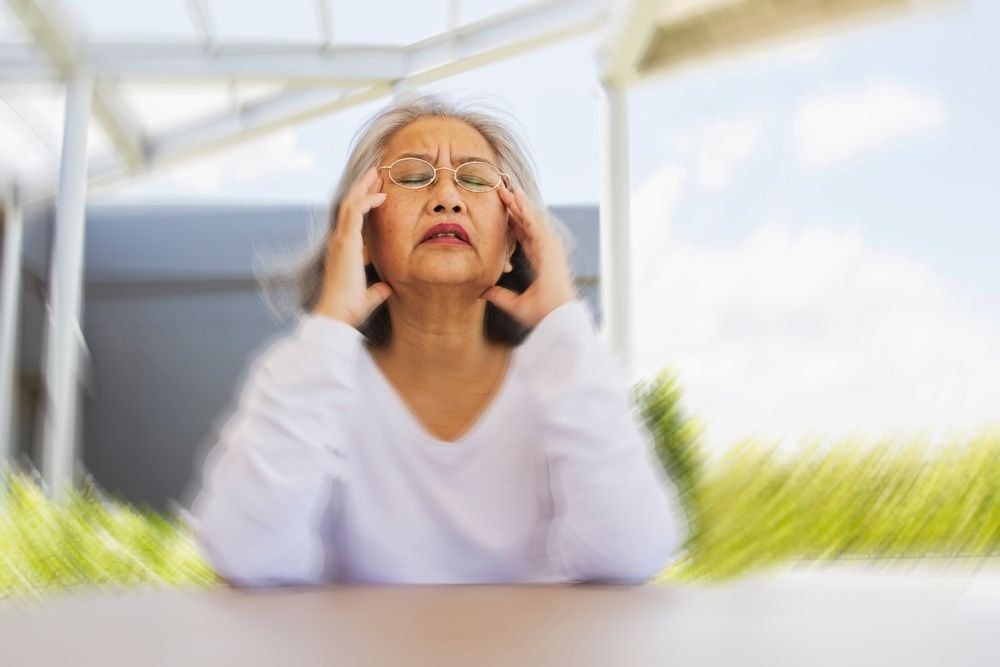
When most people think about a concussion, they think about headaches, dizziness, or memory problems. But one of the most commonly affected systems in the body is the visual system. At Keystone Vision Development Center, we regularly see patients who are still struggling weeks or even years after a concussion. And vision takes part in EVERY part of the brain to some degree. So it does not matter where you have been hit, vision can still be affected.
How Concussions Affect Vision
A concussion is a mild traumatic brain injury. Even though it’s called “mild,” its effects can be anything but. More than half of the brain’s pathways are involved in vision. So when the brain is injured, vision is often affected too.
After a concussion, the communication between the brain and the eyes can become disrupted. This can lead to problems such as:
Blurry or double vision
Difficulty focusing
Light sensitivity
Headaches while reading
Trouble tracking moving objects
Losing your place when reading
Poor depth perception
Dizziness or motion sensitivity
Concussions commonly affect how the eyes move, focus, and work together - not just how clearly you see.
Why These Problems Happen
Your eyes need to:
Work together as a team
Move smoothly across a page
Quickly shift focus from near to far
Process visual information accurately
Coordinate with your balance system
After a concussion, these skills can become inefficient. The brain may struggle to coordinate eye movements or process visual input correctly. That extra effort can lead to fatigue, headaches, and difficulty concentrating.
What Is Neuro-Optometric Rehabilitative Therapy?
Neuro-Optometric Rehabilitative Therapy is a specialized treatment designed to help the brain and visual system reconnect and function more efficiently after injury. Neuro-optometric therapy involves customized exercises and activities that retrain the brain-eye connection. These therapies may focus on:
Improving eye tracking
Strengthening eye teaming
Enhancing focusing ability
Reducing light sensitivity
Improving visual processing
Supporting balance and spatial awareness
Therapy is tailored to each individual based on a detailed functional vision evaluation. The goal is to reduce symptoms and help patients return to daily activities with comfort.
Take the Next Step at Keystone Vision Development Center
Concussions can significantly impact how the brain processes visual information. Because vision involves so much of the brain, it’s common for patients to experience lingering visual symptoms even after other concussion symptoms improve. At Keystone Vision Development Center, we specialize in evaluating and treating visual problems related to brain injuries. Through Neuro-Optometric Rehabilitative Therapy, we help patients restore comfort, clarity, and confidence in their daily lives.
If you or a loved one is struggling with vision-related symptoms after a concussion, contact Keystone Vision Development Center to schedule a consultation and learn how Neuro-Optometric Rehabilitative Therapy can help you. Contact our office in Ebensburg, Pennsylvania, or call (814) 419-8379 to book an appointment today.
All Eye
Care Services

Keep
In Touch
MAP
© 2026 Keystone Vision Development Center. All Rights Reserved. Accessibility Statement - Privacy Policy - Sitemap
Powered by: 