


Post-Concussion Vision Changes in Athletes: Neuro-Optometric Rehabilitation in Ebensburg
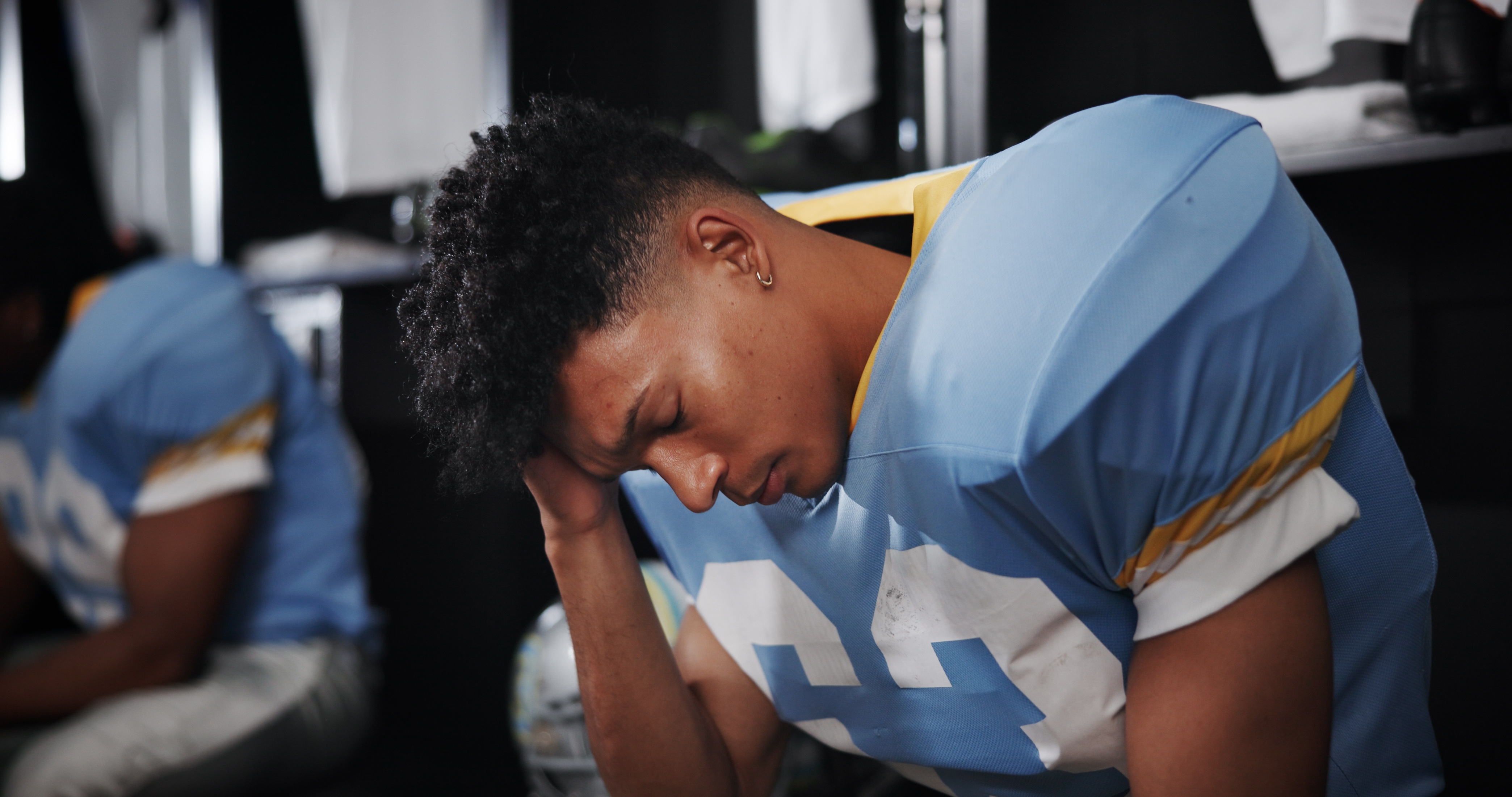
A concussion can affect far more than memory, balance, or concentration. Because vision relies on close coordination between the eyes and brain, athletes may experience visual changes after a concussion that make school, sports, driving, and everyday activities more difficult. At Keystone Vision Development Center in Ebensburg, we provide specialized care for post-concussion vision disorders and help patients address visual challenges that may continue after the initial injury.
How Concussions Can Affect an Athlete’s Vision
Athletes depend heavily on accurate eye movements, depth perception, focusing, tracking, and visual processing. After a concussion, these abilities may not work as efficiently as they did before the injury. An athlete may notice symptoms during reading, screen use, classroom work, exercise, or other visually demanding activities.
Post-concussion vision changes may include:
• Blurred or double vision
• Difficulty focusing or shifting focus
• Problems tracking moving objects
• Headaches or eye strain during visual tasks
• Light sensitivity
• Difficulty with eye coordination
• Increased visual discomfort during reading or screen use
These symptoms can interfere with an athlete’s ability to return comfortably to school, work, training, and other activities.
Why Post-Concussion Vision Problems Need Specialized Evaluation
Clear eyesight does not always mean the entire visual system is functioning normally. Post-concussion vision disorders can affect how the eyes work together and how the brain interprets visual information.
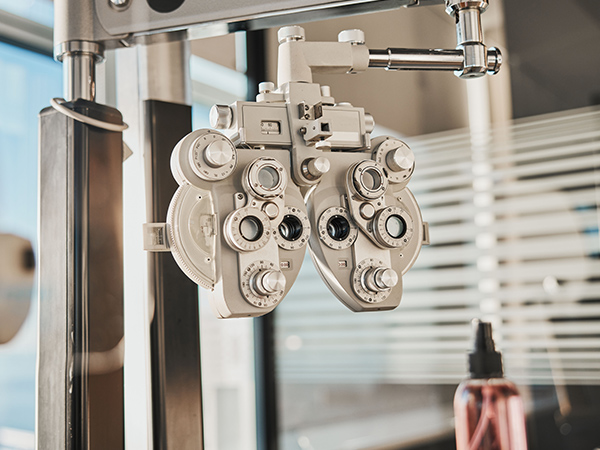
At our Ebensburg office, a binocular vision evaluation can assess visual skills used for activities such as reading, learning, driving, and sports. This more detailed approach can help identify functional vision problems that may be contributing to ongoing symptoms. For athletes recovering from a concussion, understanding which visual skills have been disrupted helps us determine the appropriate next steps.
Neuro-Optometric Rehabilitation After a Concussion
Neuro-optometric rehabilitation focuses on diagnosing and treating visual disorders associated with concussions, brain injuries, and other neurological conditions. Treatment is individualized based on the specific visual challenges identified during the evaluation.
Depending on the patient’s needs, care may involve therapeutic lenses, vision therapy exercises, eye tracking activities, or training designed to improve eye coordination and visual processing. At Keystone Vision Development Center, our goal is to help patients regain greater control and comfort in the way their visual system functions following an injury.
Supporting Athletes Through Visual Recovery
Returning to normal activities after a concussion can be challenging when visual symptoms remain. Athletes in Ebensburg who continue experiencing trouble with focusing, tracking, reading, or other visual tasks may benefit from a specialized evaluation to determine whether a post-concussion vision disorder is contributing to their symptoms.
If you or your athlete is experiencing vision changes after a concussion, contact Keystone Vision Development Center to schedule an evaluation and learn more about neuro-optometric rehabilitation. Contact our office in Ebensburg, Pennsylvania, or call (814) 419-8379 to book an appointment today.
All Eye
Care Services

Keep
In Touch
MAP
© 2026 Keystone Vision Development Center. All Rights Reserved. Accessibility Statement - Privacy Policy - Sitemap
Powered by: 