


Tracking Progress During Vision Therapy in Ebensburg: What to Discuss at Your Follow-Up
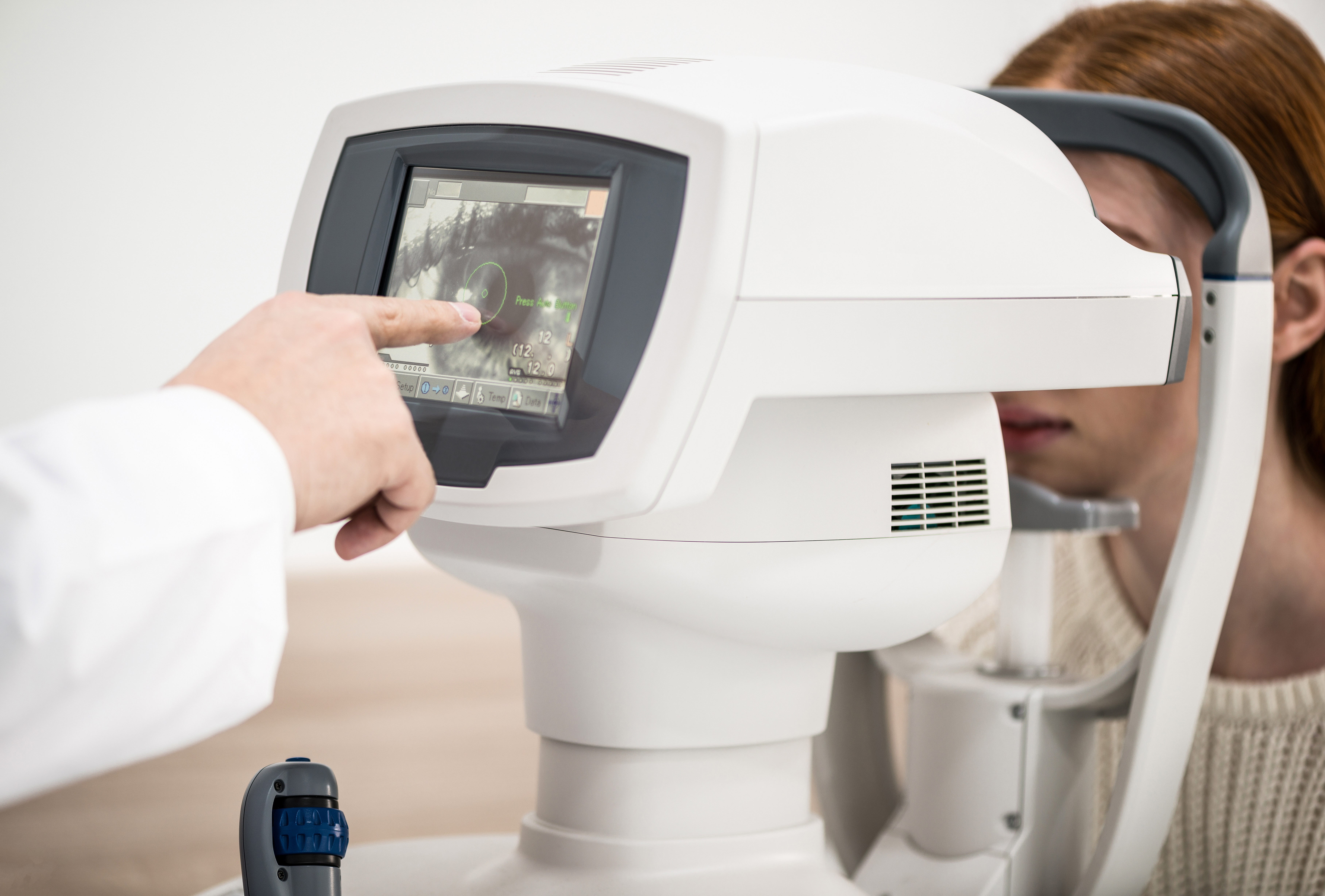
Vision therapy is a personalized process designed to improve specific visual skills, such as eye coordination, focusing, and tracking. At Keystone Vision Development Center in Ebensburg, PA, we use follow-up appointments to evaluate progress, address concerns, and determine whether adjustments are needed. Understanding what to discuss during these visits helps us make informed decisions about your ongoing care.
How We Measure Vision Therapy Progress
Progress during vision therapy involves more than completing exercises. We evaluate how your eyes function together and whether improvements are carrying over into everyday activities.
Depending on your treatment goals, we may reassess eye teaming, focusing flexibility, and tracking accuracy. We also consider changes in symptoms, including eye strain, headaches, double vision, or difficulty maintaining focus while reading. These findings help us determine how your visual skills are responding to treatment.
What Should You Discuss at Your Follow-Up?
When visiting our Ebensburg office for a vision therapy follow-up, sharing your experiences helps us better understand your progress.
Some important topics to discuss include:
• Changes in symptoms: Have headaches, blurred vision, eye fatigue, or double vision become less frequent or noticeable?
• Daily activities: Is reading, completing homework, using a computer, or switching focus between distances becoming more comfortable?
• Home exercises: Are you completing your prescribed activities consistently, and are any exercises particularly challenging?
• New concerns: Have you noticed new symptoms, increased discomfort, or difficulties that were not present before?
• Treatment goals: What improvements have you noticed, and which visual tasks remain difficult?
Keeping brief notes between appointments can make it easier to identify changes and communicate concerns during your visit.
Why Progress May Vary Between Patients
Every patient responds differently to vision therapy. Factors such as the underlying visual condition, treatment goals, and consistency with recommended activities can influence progress.
Some patients notice changes in daily comfort before measurable visual skills improve, while others demonstrate changes during testing before noticing a difference in everyday activities.
We evaluate each patient's progress individually rather than expecting everyone to follow the same timeline. If progress is slower than anticipated, we can review possible contributing factors and determine whether the treatment approach needs adjustment.
Adjusting Your Vision Therapy Plan
Follow-up visits give us an opportunity to review your current exercises and discuss the next phase of treatment. Based on your progress, we may modify activities, introduce different visual challenges, or recommend continued practice with existing exercises. We also discuss whether the treatment schedule remains appropriate for your needs. Our goal is to keep your vision therapy program focused on the specific visual skills identified during your evaluation.
If you're currently participating in vision therapy or have questions about your progress, schedule a follow-up with Keystone Vision Development Center. Visit our office in Ebensburg, PA, or call (814) 419-8379 to book your appointment today.

All Eye
Care Services

Keep
In Touch
MAP
© 2026 Keystone Vision Development Center. All Rights Reserved. Accessibility Statement - Privacy Policy - Sitemap
Powered by: 